
The Digital “Unveiling” of the Muslim Woman
- 3 days ago
- 7 min read
News Editorial Assistant Maryam Bokhari explores her cultural connection to this issue’s theme by diving into contemporary discourse around the Hijab and what it means to her.

Growing up, I always thought my mum’s hijab collection was the coolest thing in the world. Leopard prints, pashminas and shimmery organzas would spill out of her wardrobe every morning as she’d decide on which one to wear and how to style it. When she’d leave for work, I’d pick out a few and clumsily wrap them around my head, admiring myself in the mirror. These days, the bulky, bold hijabi fashion of the late 2000s is generally considered “outdated” online, but I’ll always have a special place for it in my heart. It’s difficult to imagine explaining to my younger self how far the hijab has evolved into a global symbol of both spiritual and political significance.
What is a hijab?
The significance of the hijab in Islam is generally considered to be an obligatory “spiritual veil of protection” against “anything that will negatively impact one’s connection with God” [1]. It applies to both men and women, and it extends beyond clothing to include behaviour, values, and self-conduct. For many women, it is not about “covering” beauty, but protecting and enhancing it with the hijab itself.
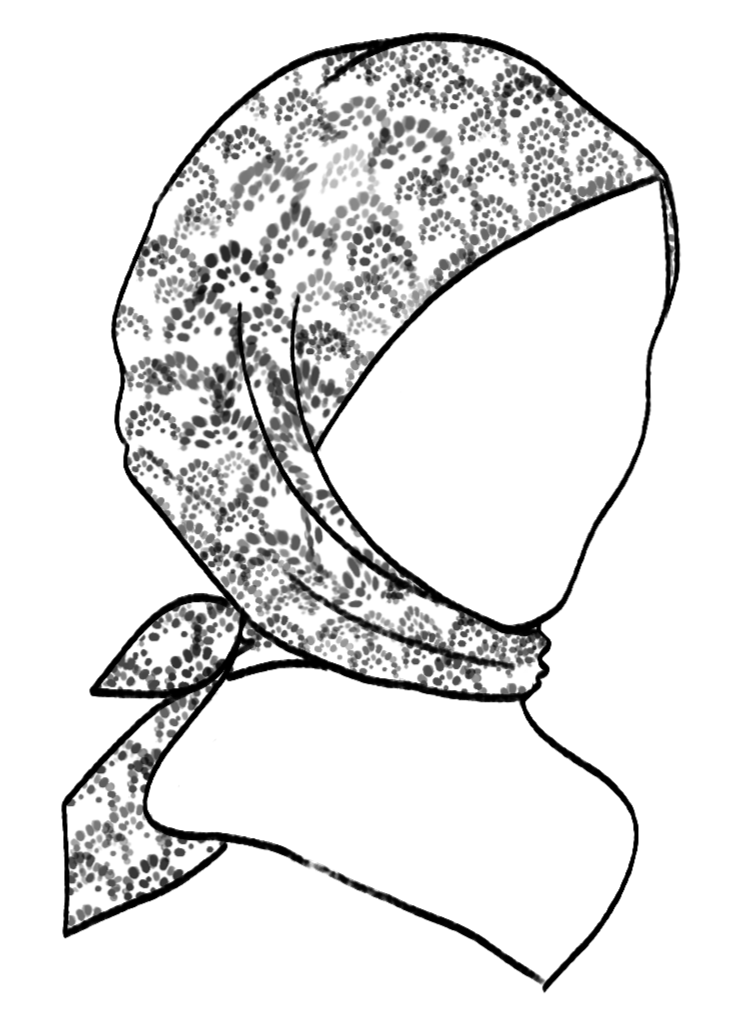
A misconception is that women have no choice in wearing the hijab. The hijab is ultimately a choice that a woman makes, often described as part of one’s own “personal spiritual journey.” This is not to deny that this choice is also a privilege, as it is a reality for many women to be forced to wear one. However, this is often the result of an oppressive government or culture that misrepresents Islam, rather than the actual religious values themselves. I don’t wear the hijab myself, and I was never forced to. One day, I hope to make that decision for myself. Because when you are surrounded by resilient hijabi women, you cannot help but look up to their unique perspectives on the world. We often forget that for them, it can be both a blessing and a burden. They must navigate a world where their appearance can prompt immediate assumptions, conversations, or even confrontations about their faith. This constant visibility and the political weight it carries mean they often find themselves in unwanted discussions about representation, stereotypes, and the broader implications of Islam in society.
The Hijab and Harmful Representation
European colonisation was one of the first forces to transform the hijab into an object of fascination for soldiers and academics, none of whom consulted the women who actually wore it. Western observers fantasised that Muslim women must envy the “freedom” of Western femininity, using this assumption as justification for colonial intervention. During the Algerian War of Independence, for example, French soldiers framed the violent unveiling, assault, and killing of Muslim women as a “civilising” mission. In this context, wearing the hijab became an act of resistance. And these colonial narratives did not disappear; they simply evolved into modern stereotypes, discrimination, and violence [2].
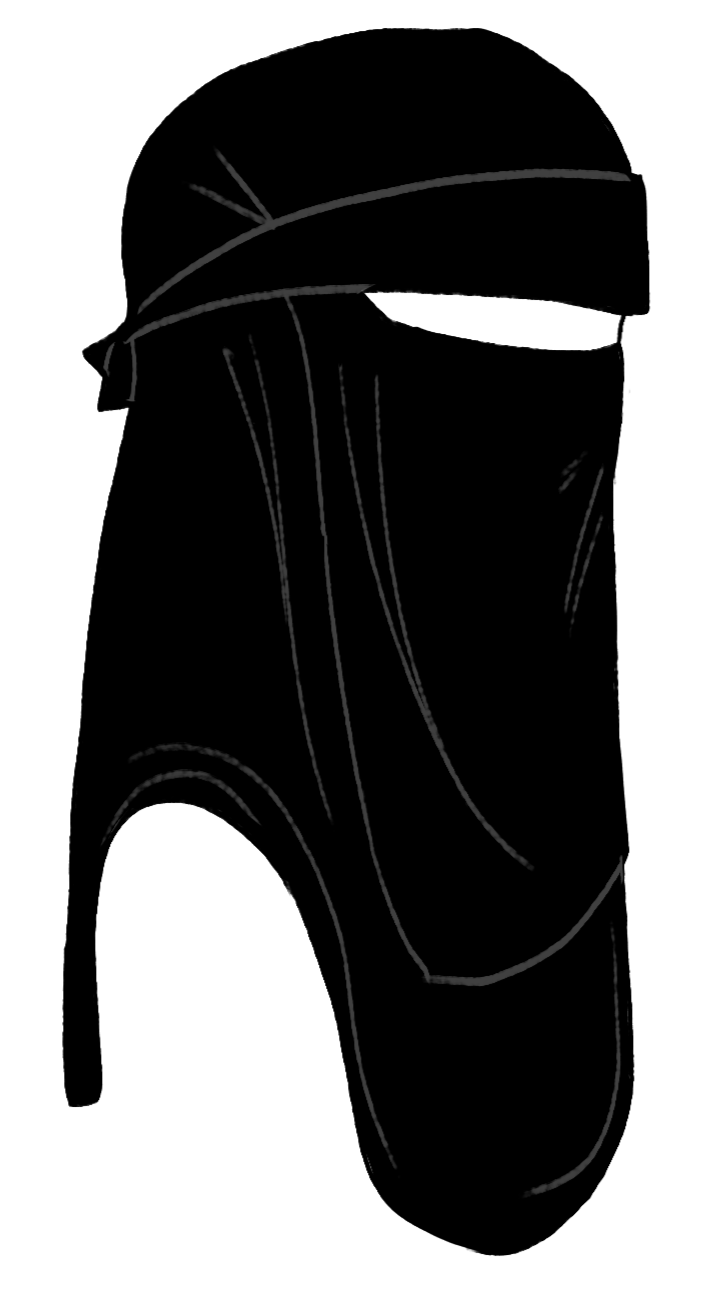
Western media have historically portrayed Islam itself with these false sentiments, depicting Muslims as sexually depraved, savage, deceitful, or fanatical individuals [3]. The symbol of the veil, and the women beneath it, have also morphed into a single identity: an “exotic other.” The West has successfully promoted the Muslim woman as a propagandistic tool to be simultaneously hated, lusted after, and pitied. It is common to perceive the Muslim women wearing the hijab (specifically a burqa) as submissive, unhappy, and in need of “saving” from their oppression. Orientalism also sexualised the hijab, turning it into an erotic fantasy of an unseen, sexually inexperienced woman and her secret desires through the unfortunate rise of “hijabi pornography” [4].
A political example of the hijab being misconstrued in the West is Pauline Hanson’s recent “burqa stunt,” where she attempted to propose a Senate bill to ban the hijab from Australian public life. By wearing the burqa in public (and dramatically removing it), Hanson was accused of being Islamophobic, all while claiming her actions aimed to “spotlight” the mistreatment of Muslim women and concerns regarding national security [5].
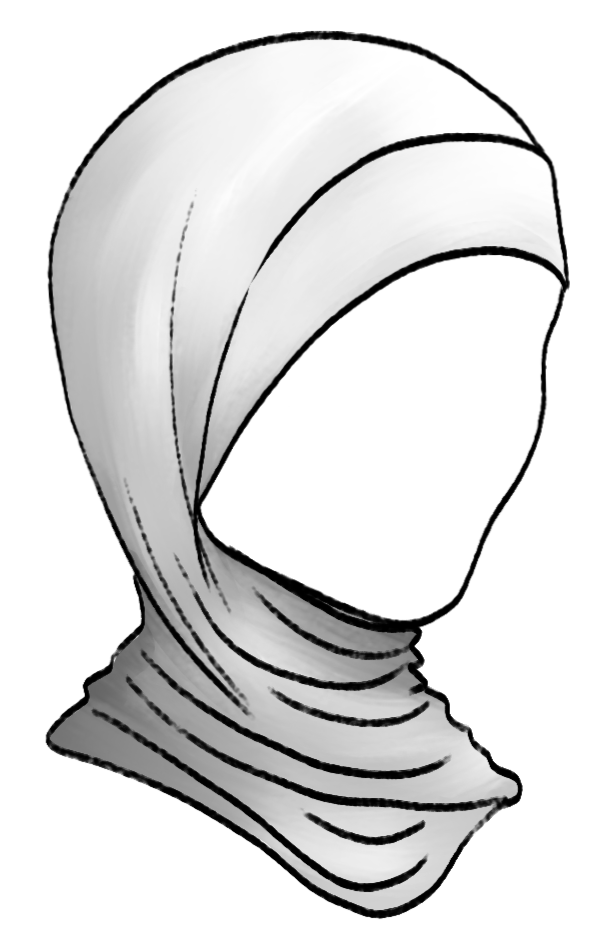
Mainstream media and pop culture also rarely feature complex Muslim characters. For example, Nadia Shaama from Netflix’s Elite (2018), whose storyline centres on “rebelliously” removing her hijab for a white male love interest who supposedly inspires her liberation from a conservative family (yikes). If you are looking for fresh, compelling representation, check out the sitcom We Are Lady Parts (2021). The portrayal of intersectional identities and experiences sincerely describes the challenges and joys of what it’s actually like being Muslim and wearing the hijab in today’s society.
Hijabis in the Digital Space
Platforms like TikTok have created a new layer of scrutiny for Muslims, where they now face criticism not only from the media but from their own communities as well. It’s almost blasphemous for a Muslim woman online to discuss her struggle with her faith and modesty, her connection to the hijab, and perhaps even her frustration with it. Redemption and understanding are rarely extended to Muslim women. If a woman removes her hijab for any reason, for example, she is questioned, ridiculed, and ostracised by women and men alike. My own mother faced backlash when she took off her hijab. Then there is that all too familiar phrase: “If you aren’t going to wear the hijab properly, then don’t wear one at all.” This expression places Muslim women in an impossible position by holding them to higher standards of modesty than men. This not only reinforces societal stereotypes but also marginalises their identities, making it difficult for them to navigate Islam in a way that is authentic to themselves.
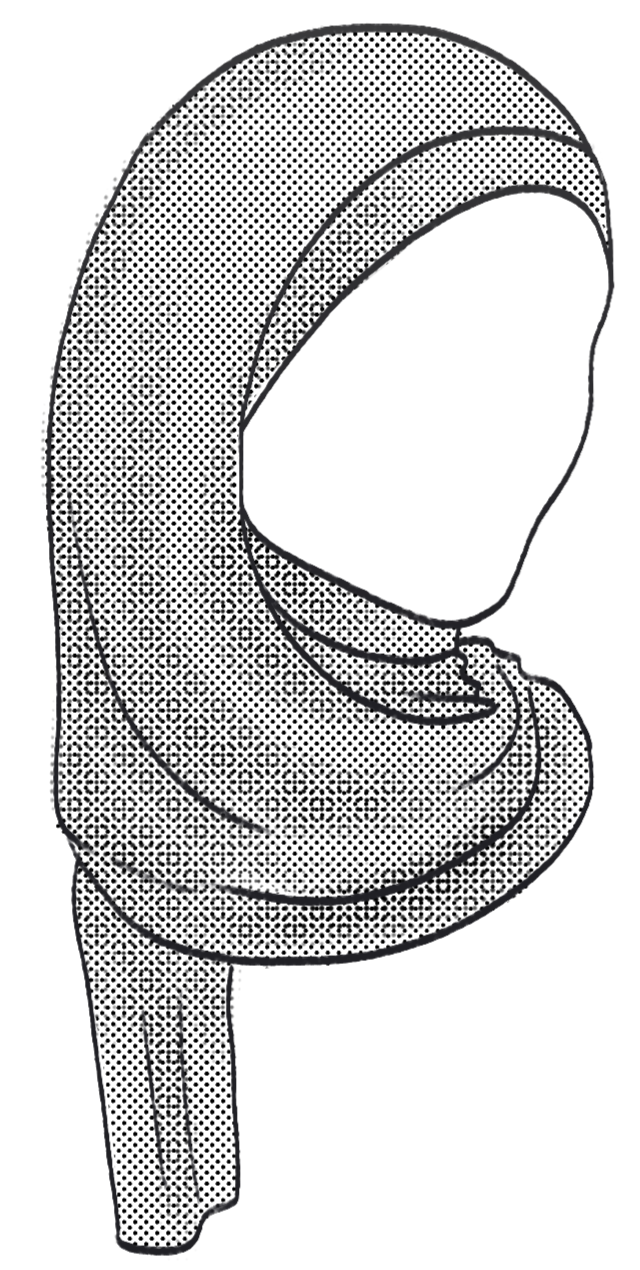
Opening the comments of a hijabi woman’s TikTok video is often an immediate regret. People critique the looseness of her scarf, the brightness of its colour, and the visibility of a strand of hair. They comment on her voice, her makeup, even the shape of her head. Most of these petty comments, unfortunately, come from Muslim men who turn to discourse and shame as tools of “education.” They frame themselves under the guise of “dawah” or “inviting of Islamic knowledge.” But it has become so common for this “advice” to turn into surveillance. Instead of discussing and confronting the imperialistic, capitalist, and patriarchal systems harming Muslims today, the hijab is policed and dissected under the name of “religion.” With women and modesty being the larger topics of online discussions, verses from the Quran being misunderstood and weaponised, and hijabi influencers being bullied and humiliated, it became overwhelmingly apparent that the intention was never to educate with love, but to dominate by ego. Islam suddenly becomes a male-centred schema when devotion to God is supposed to be anything but. How are we to dismantle misconceptions about Islam when we abandon the very principles we claim to uphold, and perpetuate the same rhetoric as our oppressors? Why do we turn to blaming and shaming women for being human in a world that already treats them as anything but? God’s love has never been conditional upon men’s approval, so I urge all the Muslim women readers not to carry this unjustly assigned burden of “moral failure.”
Of course, I am not here to unleash all the criticism onto Muslim men or claim that all of them act like this; rather, I wanted to highlight the collective responsibility we share as a community in fostering an environment that supports and uplifts all individuals, regardless of gender, and allows for open-minded and empathetic dialogue about faith and identity. Because we know better than anyone that the world often does not grant us that same kindness.
The Beauty of the Veil
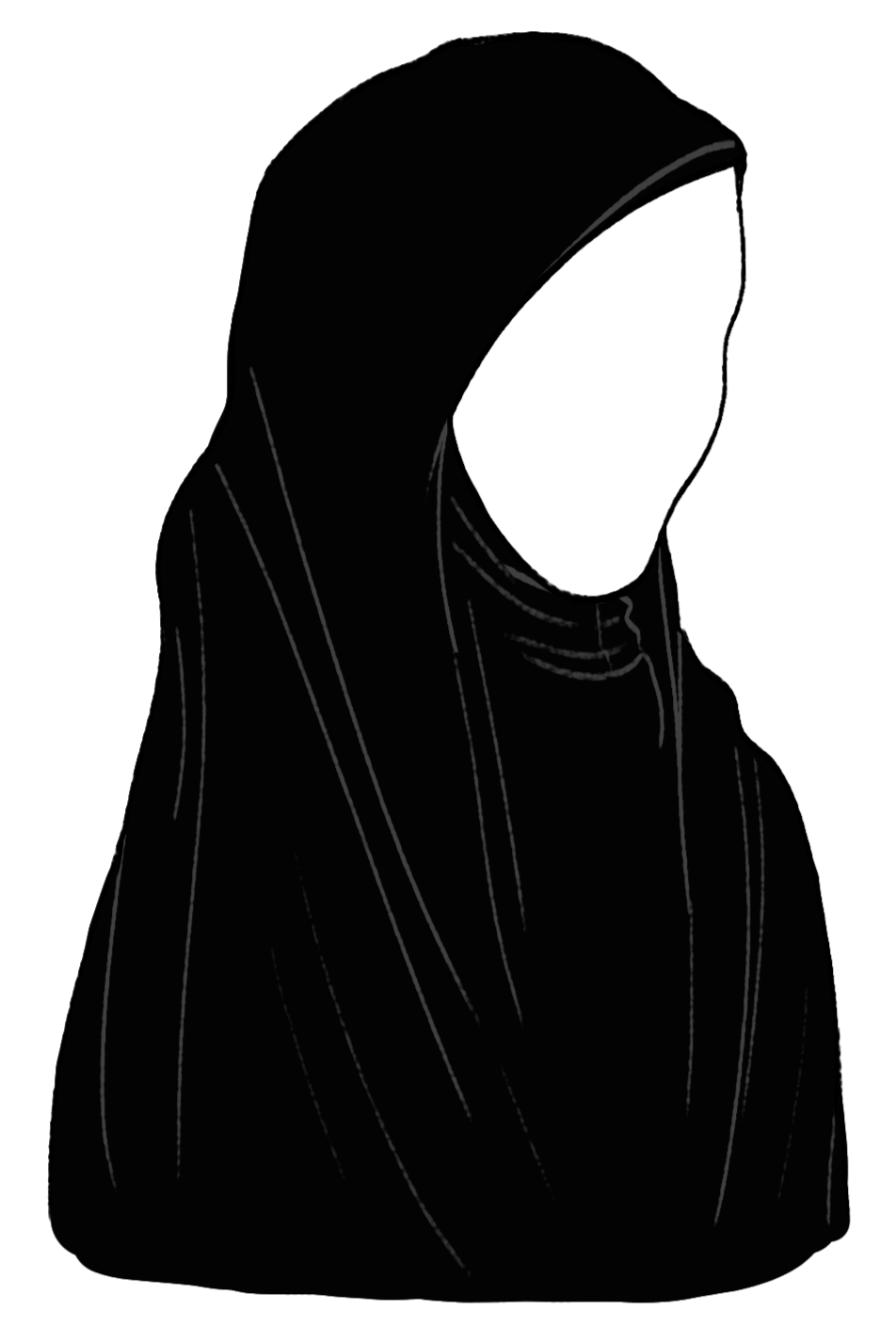
This is for all the Muslims who struggle to put it on, who wear it for security, who wear it “part-time” or don’t wear one at all, who feel beautiful, who feel ugly, who feel uncertain. To the alternative hijabis, the queer and trans Muslims, the fashion girlies, the women who wear cultural clothes and the ones who wear business pants: Do not let the world exploit your spiritual connection with God until you understand it for yourself. The internet has given us a visible and inclusive space that women are so often denied. Here, we can talk, write, and construct our own narratives and make room for women to share their stories and speak out for those who cannot. I am here to remind you that mistakes, of any kind, are inevitable. Necessary, in fact. Look beyond the Western gaze and become the complex, contradictory representation you wish to see. Muslim women should be allowed to be messy. To be confused, loud and angry. To be fashionable, educated and disruptive. To take a step back from what they were told and to reteach themselves what being Muslim actually means for them. If your hijab, or your faith, or your identity is already seen as rebellion, then let that be a badge of honour.
Perhaps someday I’ll have my own wardrobe full of hijabs, as my mum did. I know the leopard print is already making a comeback… I can envision it now: wrapping one around my head with more grace than I once had and admiring myself in the mirror, embracing myself with all the love and patience that I deserve from the world.
by Maryam Bokhari
References:
[1] Chamas, Z. (2024, March 6). Why Muslim women cover their hair with a hijab and the importance of modesty in Islam. ABC News. https://www.abc.net.au/news/2024-03-06/house-of-gods-exploring-hijab-islam-muslim-women/103376332
[2] Katarzyna Falecka. (2017, January 24). From colonial Algeria to modern day Europe, the Muslim veil remains an ideological battleground. The Conversation. https://theconversation.com/from-colonial-algeria-to-modern-day-europe-the-muslim-veil-remains-an-ideological-battleground-70242
[3] Perry, B. (2014). Gendered Islamophobia: hate crime against Muslim women. Social Identities, 20(1), 74–89. https://doi.org/10.1080/13504630.2013.864467
[4] Mirzaei, Y., Zare, S., & Morrison, T. G. (2022). Hijab Pornography: A Content Analysis of Internet Pornographic Videos. Violence Against Women. https://doi.org/10.1177/10778012211021125
[5] Comerford, R. (2025, November 24). Australia senator suspended after burka stunt in parliament. https://www.bbc.com/news/articles/cz94pdkzqvwo


Comments