
The Symbols That We Never Choose
Editorial Assistant Raya Shayk explores the ubiquitous world of symbols and invites readers to consider the timeless question: Do we choose symbols, or do they choose us?
We spend our whole entire lives surrounded by symbols that we recognise instantly. We have internalised the understanding that our entire existence is defined by these symbols. Hearts mean love. Four-leaf clovers mean luck. Peace signs mean hope. But the symbols that shape us most are rarely the ones everybody knows. Their meanings are so deeply stitched into the fabric of our lives, making it harder for us to break away from them. They simply exist, quietly guiding the ways in which we interpret the so-called Earth, we call our world. They remind us that we are only a speck of dust in this forever-existing universe capturing the hardship and misery, the laughter and excitement that shape our everyday lives.
They are the symbols we never choose; they choose us. Think about it.
A ring is just metal, until it becomes a wedding ring.
A train platform is just concrete, until it is where two souls say goodbye.
A song becomes a soundtrack to someone you no longer know.
A movie becomes your comfort film because it makes you cry so hard until you end up spending the rest of the night laughing with a friend.
None of these things were designed to carry a meaning; They don’t appear in dictionaries, nor are they taught in classrooms. Yet, somehow, they become the vessels that carry our most powerful memories. Not because society decided what they should represent, but because our memories quietly assigned them a purpose.
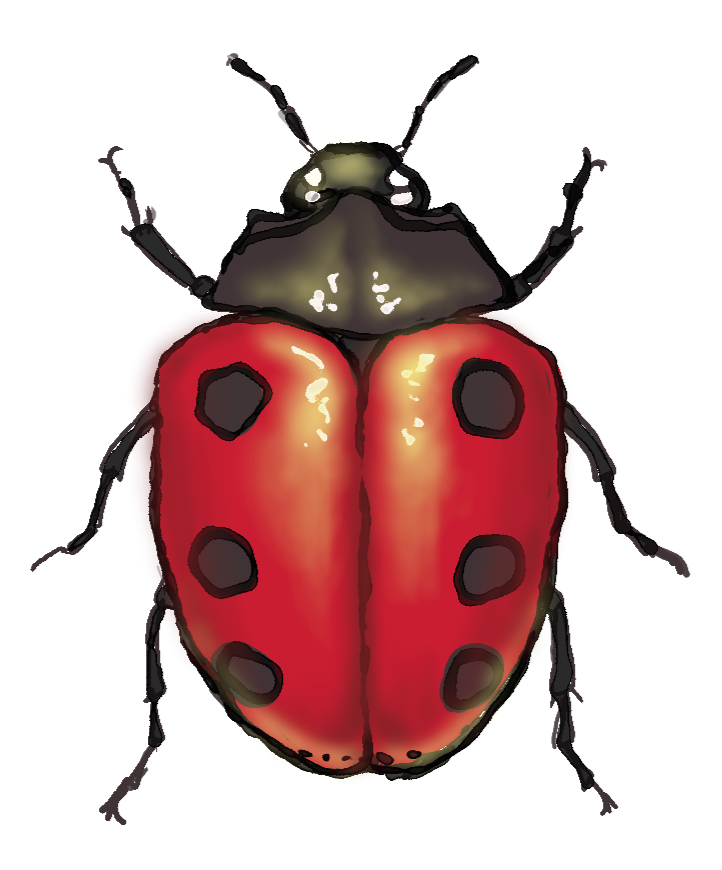
Some symbols are inherited. We don’t choose them either; we simply learn what they mean. Take the ladybug. It is, biologically speaking, nothing more than a tiny beetle with red wings and black spots. Yet, across countless cultures, it has become a symbol of luck, protection and hope. Children smile when one lands on their hand, adults make wishes before it flies away and somehow an insect no longer than a thumbnail has become a quiet reminder that perhaps good things are still possible.
Symbols need not exist in the physical world. Sometimes, they are the people that we invent. Someone like Tyler Durden. A man who somehow convinced a concerning number of people that starting underground fight clubs and making soaps in abandoned houses was the key to self-discovery. In his defense, he is remembered as a charismatic revolutionary, symbolising the importance of rebellion, individuality and freedom. Millions of viewers recognise him instantly, not because they know him but because they recognise the frustrations he represents. It is also not suggested that we should all start an underground fight club. University timetables are stressful enough!
Fiction has always been one of humanity’s favourite ways of creating symbols. We invent people who become ideas and myths that somehow feel more true than reality itself. Sometimes, however, we don’t even really need a face. Sometimes all it takes is a single thread.
Perhaps no modern symbol captures this better than the invisible string theory. Whether you first encountered it through ancient East Asian folklore or a certain Taylor Swift song, the idea is remarkably simple: somewhere, an invisible string connects us to the people we are destined to meet. There is no specific evidence for it. No one has ever tripped over it while walking to class, and yet we choose to believe in it anyway.
Maybe that is because the invisible string was never really about fate. It’s about hope. It’s the comforting belief that missed trains, wrong turns and awkward first dates may eventually lead us to exactly where we were always supposed to be. Whether or not the string exists becomes almost irrelevant because the symbol itself has already done its job.
We often like to think that symbols are ancient, sacred things. But somewhere, somehow, humanity agreed that a tiny red beetle meant luck and a man who punches people in basements is the face of rebellion. Maybe symbols don’t have to make sense. Maybe they just have to make us feel something. After all, perhaps we never really choose our symbols; they choose us.
by Raya Shayk


Comments